

Michael Bevan
Manly Warringah District Cricket Club | September 07, 2025
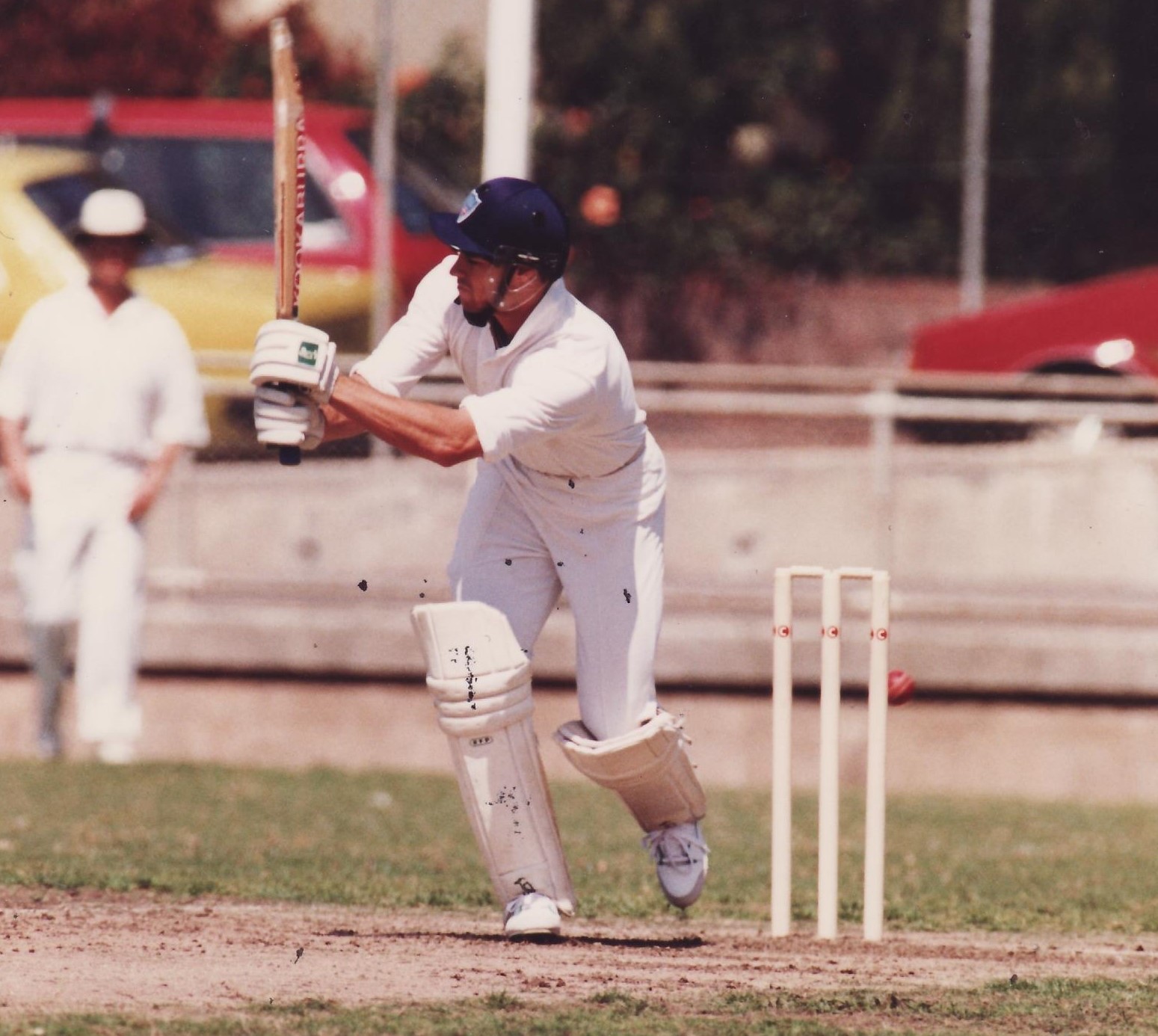
While it’s rare today for international—and even state—players to participate regularly in grade cricket, this wasn’t always the case. Up until the early 2000s, it was common to see Australian representatives turning out for their grade clubs a few times each season. Bankstown boasted the Waugh twins, Northern District had Mark Taylor, UNSW fielded Michael Slater, Mosman had the Lee brothers, Sutherland had Glenn McGrath, and at Manly, we were fortunate to have the original finisher - Michael Bevan.
Although Bevan was a mainstay in Australia's limited-overs side during the 1990s, he experienced a more intermittent run in the Test team, resulting in frequent appearances in both state and grade cricket during that period. After transferring to Manly from Campbelltown—where he had already established a reputation for match-winning performances—Bevan became a key figure for the club over several seasons.
In total, Bevan batted 42 times for Manly, amassing 1,969 runs at an outstanding average of 53.22. His tally included five centuries and 13 half-centuries. With the ball, his deceptive and often unplayable left-arm wrist spin yielded 20 wickets - demonstrating his all-round value to the team.
They say there's no substitute for time in the middle, and Bevan certainly embodied that mantra during his time at Manly. He produced several massive innings, including scores of 227 and 152. These performances were not only personal milestones but also contributed to record-setting partnerships that still stand in Manly’s first-grade history. Bevan shares the second-wicket record of 319 runs with club legend Richard Fry (114) against Balmain (now Sydney) in the 1997/98 season, and the fourth-wicket record of 231 runs with Shawn Bradstreet (107*) against Sutherland in 1995/96.
There is no doubt that both teammates and opponents benefited immensely from watching a player of Bevan’s calibre perform at the grade level.

BeaconPoint Wellbeing Clips - The Issue Parents May Underestimate