

Phil Emery
Gordon District Cricket Club | September 07, 2025
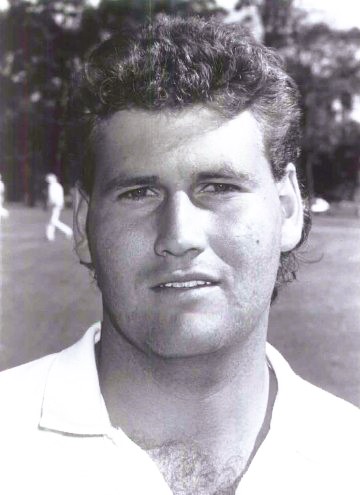
Sport was in the Emery family’s veins. Father Neville had played rugby union for Australia and Grade cricket. His mother Helen was a representative and extremely competitive squash and tennis player. It was only going to be a matter of time until the Sydney Church of England Grammar school student turned to sport. The question was, which sport – cricket or rugby union? Whilst enjoying rugby he chose cricket and it was his prep school cricket coach Mal Howard who, according to Emery, said at a practice, “‘You’re going to keep’ and pushed me straight into it.”
At the age of 18 Emery was in the Gordon Fourth Grade side for the 1982-83 season. By the end of that season Emery was in First Grade, with his wicketkeeping and batting both contributing to his elevation. It was the beginning of a career that saw Emery play 17 summers for Gordon. Some games were at Chatswood Oval and others at Killara Oval as the main ground was being cleaned up to bring it up to standard for club cricket in Sydney.
Among those 17 seasons of cricket were 120 games for New South Wales, captaincy of his state, and a Test against Pakistan. His leadership on the field was outstanding with Sheffield Shield and one-day final wins.
There had been a brush with cricket wicketkeeping royalty when his father had taken the young cricketer to meet the prince of wicketkeepers, Bert Oldfield, at his sports store in Clarence Street, Sydney. As Emery recalls, “His fingers were bent and out of shape, really knocked around.” Sometime later it was Brian Taber who came into Emery’s space. Some years after Emery reflected on his Gordon predecessor. “He was softly spoken, thoughtful and did not interfere in areas outside of what he was appointed.”
Taber had in fact been part of Emery’s life when he read Greg Chappell’s Successful Cricket, to which Brian Taber had contributed the wicketkeeping chapter. The book was Emery’s constant companion. “Taber was very loyal to Gordon. He was often at practices, and you knew he was watching, and you knew that you could go to him for advice if needed. He let you develop as a player but was always interested in how you were going. When it came to encouragement Herbie [Brian’s nickname] was number one.”
When asked, “What does Victor Trumper mean to you?” Emery says, “Obviously he was a great player and the grandstand bearing his name makes cricketers aware of who he was and what cricket is all about.” Continuing, he ventures the comment, “In my time of playing Gordon had many quiet years. We had a number of players who all grew together. We were young and seemed to mould well. Mark O’Neill was the player who challenged us. He could really bat. Players such as Steve Day, Richard Stobo, Michael Cant and Jamie Bray developed.”
Finally, Emery opines, “Perhaps that is the Trumper legacy, reflecting on the past, learning and being challenged and achieving, for Gordon and cricket beyond the club.”
RONALD CARDWELL
© The Cricket Press Pty Ltd and RL Cardwell.

BeaconPoint Wellbeing Clips - How can parents teach their kids to embrace anxiety in a positive manner